When it comes to health, understanding your blood sugar levels is key, especially for those managing diabetes. But what about the abbreviations related to blood sugar? They can be confusing if you’re not familiar with them. This article breaks down what blood sugar abbreviations mean, why they matter, and how they relate to your overall health. Let’s get into it!
Key Takeaways
- Blood sugar abbreviation refers to shorthand terms used in medical contexts to describe glucose levels in the blood.
- Common abbreviations include FBG (Fasting Blood Glucose), PPG (Postprandial Glucose), and RBG (Random Blood Glucose).
- Understanding these abbreviations is important for tracking and managing diabetes effectively.
- Blood sugar levels can be influenced by various factors like diet, exercise, and medications.
- Monitoring your blood sugar regularly helps in preventing complications related to diabetes.
Defining Blood Sugar Abbreviation
What Is Blood Sugar Abbreviation?
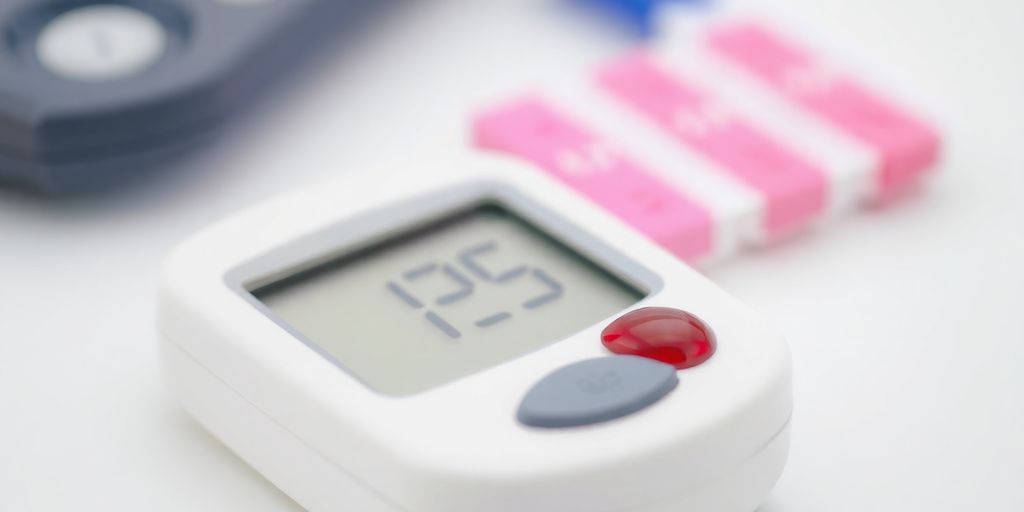
Okay, so what exactly is blood sugar abbreviation? Basically, it’s shorthand used to talk about blood glucose level. Instead of saying “blood sugar level” all the time, especially in medical settings or when tracking your own levels, people use abbreviations. It’s all about saving time and space, especially when you’re dealing with charts, logs, or even just quick conversations with your doctor. Understanding these abbreviations is super important for anyone managing diabetes or just keeping an eye on their health.
Common Abbreviations Used
There are a few common abbreviations you’ll see pop up again and again. Knowing what they stand for can really help you understand your blood glucose awareness training and test results. Here are some of the most frequent ones:
- BG: This is probably the most common one, standing for Blood Glucose.
- FBS: Stands for Fasting Blood Sugar, which is your blood sugar level after not eating for a certain period (usually overnight).
- PPBG: This means Postprandial Blood Glucose, which is your blood sugar level after a meal.
- A1C: This one represents Hemoglobin A1c, which gives you an average of your blood sugar control over the past 2-3 months.
- BSL: Another abbreviation for Blood Sugar Level.
Importance of Understanding Abbreviations
Why bother learning all these abbreviations? Well, imagine you’re at the doctor’s office, and they’re rattling off numbers and abbreviations. If you don’t know what they mean, you’re going to be totally lost. Understanding these abbreviations medical abbreviations helps you:
- Actively participate in your healthcare.
- Accurately track your blood sugar levels.
- Communicate effectively with healthcare professionals.
- Better understand your test results and treatment plans.
It’s like learning a new language, but this language can help you take better care of yourself. Don’t be afraid to ask questions if you’re unsure about an abbreviation. Your health is worth it!
Types of Blood Sugar Measurements
Understanding the different types of blood sugar measurements is super important for managing your health, especially if you’re dealing with diabetes or trying to prevent it. There are a few key ways doctors and individuals check blood sugar, each giving a slightly different snapshot of what’s going on in your body.
Fasting Blood Sugar
This test is done after you haven’t eaten for at least eight hours – usually first thing in the morning. It’s a baseline measurement that helps doctors see how well your body is regulating blood sugar without any recent food intake. It’s often used to screen for prediabetes and diabetes. A normal fasting blood sugar level is generally between 70 and 99 mg/dL. If it’s consistently higher, it could be a sign of a problem. This test can screen for diabetes.
Postprandial Blood Sugar
Postprandial blood sugar is measured two hours after you start eating a meal. This test shows how your body handles glucose after food consumption. It’s useful because it can catch issues that a fasting blood sugar test might miss. For most people without diabetes, the postprandial blood sugar level should be less than 140 mg/dL. If it’s higher, it could indicate insulin resistance or other problems with glucose metabolism.
Random Blood Sugar
As the name suggests, a random blood sugar test can be taken at any time, regardless of when you last ate. It’s often used when a quick assessment of blood sugar levels is needed, especially if someone is experiencing symptoms of high or low blood sugar. A random blood sugar level of 200 mg/dL or higher, along with symptoms like increased thirst and frequent urination, can suggest diabetes. It’s not as precise as fasting or postprandial tests, but it can be a useful tool for initial screening. Venous blood glucose tests offer greater accuracy compared to capillary tests.
Knowing when and why these tests are performed can really help you understand your own health data and have more informed conversations with your doctor. It’s all about getting a clearer picture of how your body is managing glucose.
Interpreting Blood Sugar Levels
Normal Blood Sugar Ranges
Okay, so you’ve got your blood sugar numbers. Now what? Understanding what’s considered “normal” is the first step. Normal blood sugar ranges vary depending on when you test (fasting, after a meal, etc.) and whether or not you have diabetes. For someone without diabetes, a typical fasting blood sugar is usually between 70 to 99 mg/dL. After eating, it might go up to 140 mg/dL, but it should come back down within a couple of hours. If you have diabetes or prediabetes, your target ranges will likely be different, and your doctor will give you specific goals. It’s not a one-size-fits-all thing.
High Blood Sugar Indicators
High blood sugar, or hyperglycemia, happens when there’s too much glucose in your blood. Consistently high levels can lead to some serious health problems down the road. How do you know if your blood sugar is too high? Well, symptoms can include increased thirst, frequent urination, blurred vision, and fatigue. But sometimes, there aren’t any obvious symptoms, especially at first. That’s why regular monitoring is so important. If your blood sugar is consistently above your target range, it’s time to talk to your doctor. They might adjust your medication, diet, or exercise plan. Ignoring high blood sugar isn’t a good idea, as long-term hyperglycemia can cause heart disease, nerve damage, kidney problems, and eye issues. If you are experiencing high blood sugar, you may want to consult with your doctor about diabetes management.
Low Blood Sugar Symptoms
On the flip side, low blood sugar, or hypoglycemia, is when your blood glucose drops too low. This can happen if you take too much insulin, skip meals, or exercise more than usual. Symptoms of low blood sugar can come on quickly and include:
- Shakiness
- Sweating
- Dizziness
- Confusion
- Hunger
If your blood sugar drops really low, you could even pass out. It’s important to treat low blood sugar right away by eating or drinking something sugary, like juice or glucose tablets. If you have diabetes and experience frequent low blood sugar, talk to your doctor. They may need to adjust your medication or help you figure out what’s causing the lows.
Keeping an eye on your blood sugar levels is like checking the oil in your car. You want to make sure everything is running smoothly and catch any problems before they become major issues. Regular monitoring and working with your healthcare team can help you stay on track and prevent complications.
Factors Affecting Blood Sugar Levels
Dietary Influences
What you eat has a HUGE impact on your blood sugar. It’s not just about avoiding sweets; it’s about understanding how different foods break down and affect your glucose levels. Carbohydrates are the main culprit, as they’re broken down into glucose. But even within carbs, there’s a big difference. Simple sugars cause a rapid spike, while complex carbs release glucose more slowly. Protein and fat also play a role, slowing down the absorption of carbs and helping to stabilize blood sugar.
- Pay attention to portion sizes. Even healthy foods can raise blood sugar if you eat too much.
- Choose whole grains over processed grains. They have more fiber, which helps regulate blood sugar.
- Be mindful of hidden sugars in processed foods and drinks.
It’s easy to fall into the trap of thinking only about sugar when it comes to diet and blood sugar. But the truth is, it’s the overall balance of your meals that matters most. Combining protein, healthy fats, and complex carbs can help you maintain stable blood sugar levels throughout the day.
Physical Activity
Exercise is a game-changer for blood sugar management. When you’re active, your muscles use glucose for energy, which helps lower your blood sugar levels. Plus, regular physical activity makes your body more sensitive to insulin, so it can use glucose more efficiently. It’s not just about hitting the gym; even a brisk walk can make a difference. Regular physical activity is key to managing blood sugar.
- Aim for at least 30 minutes of moderate-intensity exercise most days of the week.
- Find activities you enjoy, so you’re more likely to stick with them.
- Check your blood sugar before, during, and after exercise to see how your body responds.
Medications and Health Conditions
Certain medications can affect blood sugar levels, sometimes in unexpected ways. Some drugs can raise blood sugar, while others can lower it. It’s important to be aware of these potential side effects and talk to your doctor if you notice any changes. Also, various health conditions, like infections or hormonal imbalances, can also impact blood sugar control. Diabetes is characterized by frequent episodes of low sugar, or hypoglycemia.
- Keep a list of all the medications you’re taking, including over-the-counter drugs and supplements.
- Discuss any concerns about blood sugar changes with your doctor or pharmacist.
- Manage underlying health conditions that can affect blood sugar levels.
Monitoring Blood Sugar Levels
Home Testing Methods
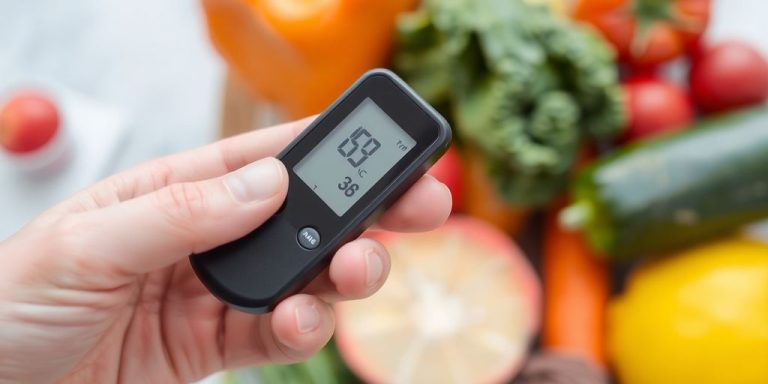
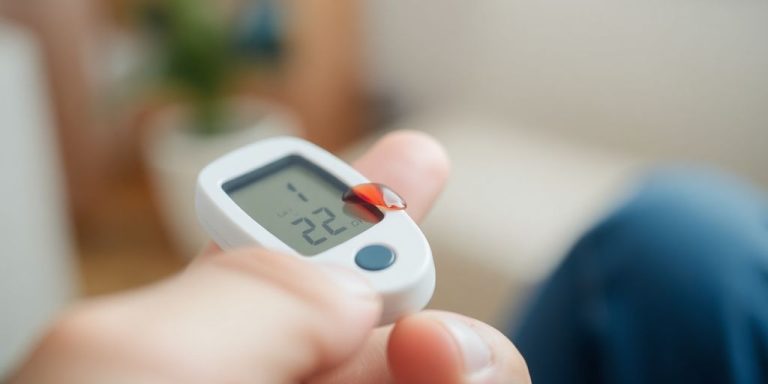
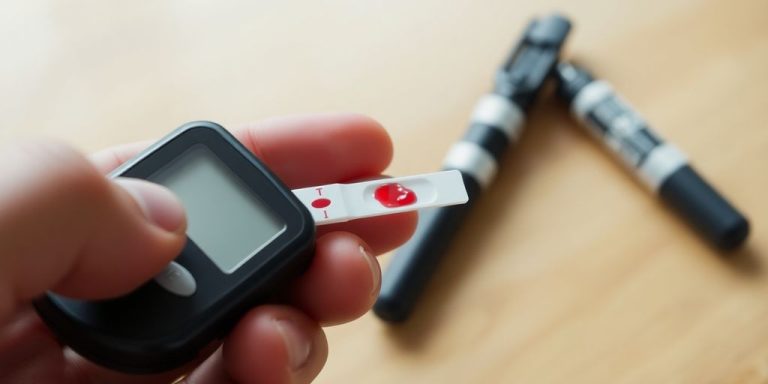
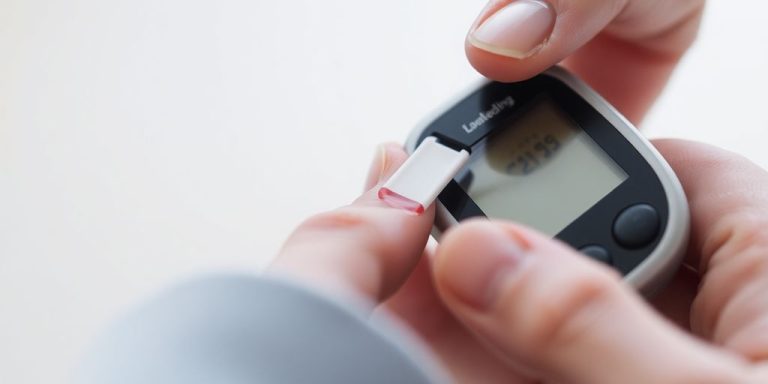
So, you want to keep tabs on your blood sugar? Good call! There are a couple of ways to do it right at home. The most common method involves using a blood glucose meter, also known as a glucometer. You prick your finger, put a tiny drop of blood on a test strip, and the meter gives you a reading. It’s pretty straightforward, but here’s a quick rundown:
- Wash and dry your hands thoroughly. This is super important to avoid contamination.
- Insert a new test strip into your meter. Make sure it’s compatible with your device.
- Prick your fingertip with a lancet. Use a fresh lancet each time.
- Gently squeeze a drop of blood onto the test strip.
- Wait for the meter to display your blood sugar level. Record the result.
Keeping a log of your readings is a smart move. This helps you and your doctor spot trends and make informed decisions about your health. You can use a notebook, a spreadsheet, or even a dedicated app.
Continuous Glucose Monitoring
Okay, so finger pricks aren’t everyone’s favorite thing. That’s where continuous glucose monitoring (CGM) comes in. A CGM is a small device that you wear on your body. It has a tiny sensor that inserts just under your skin and measures your glucose levels in real-time. No more constant finger pricks! CGMs can be especially helpful for people with diabetes who need to closely manage their blood sugar. They can also alert you if your blood sugar is getting too high or too low. If you are looking for a glucose monitor (CGM), talk to your doctor to see if it’s right for you.
When to Consult a Doctor
Knowing when to reach out to your doctor is key. Don’t wait until things get out of control. Here are some situations where you should definitely give them a call:
- You’re consistently getting high or low blood sugar readings, even after making adjustments to your diet or medication.
- You’re experiencing symptoms of hyperglycemia (high blood sugar) or hypoglycemia (low blood sugar) frequently.
- You’re not sure how to adjust your medication or insulin dosage.
- You have any concerns or questions about your blood sugar levels or diabetes management.
It’s always better to be safe than sorry. Your doctor is there to help you manage your blood sugar and stay healthy. Don’t hesitate to reach out if you need guidance or support. They can provide personalized advice and help you develop a plan that works for you.
Managing Blood Sugar Levels
Dietary Recommendations
Okay, so you want to get your blood sugar under control? It all starts with what you eat. It’s not just about cutting out sugar completely (though that helps!), but more about making smart choices. Think about it like this: your body is a machine, and food is the fuel. You want to give it the good stuff so it runs smoothly.
- Focus on whole foods: Load up on fruits, vegetables, and whole grains. These guys release sugar slowly, preventing those crazy spikes.
- Watch the portions: Even healthy food can cause problems if you eat too much. Use smaller plates and pay attention to how full you feel.
- Read labels: Become a pro at spotting hidden sugars and unhealthy fats. You’d be surprised where they sneak in!
It’s not about deprivation; it’s about making informed choices that support your health. Small changes can add up to big results over time.
Exercise Guidelines
Time to get moving! Exercise is a fantastic way to manage blood sugar. When you exercise, your muscles use glucose for energy, which helps lower your blood sugar levels. Plus, it makes your body more sensitive to insulin, which is a win-win. Physical activity is key.
- Aim for consistency: Try to get at least 30 minutes of moderate-intensity exercise most days of the week. Think brisk walking, cycling, or swimming.
- Mix it up: Add some strength training to build muscle mass. More muscle means more glucose gets used up.
- Listen to your body: Don’t overdo it, especially when you’re just starting. Start slow and gradually increase the intensity and duration.
Medication Options
Sometimes, diet and exercise aren’t enough to keep blood sugar in check. That’s where medication comes in. There are several types of medications available, and your doctor will help you find the one that’s right for you. It’s important to remember that medication is just one piece of the puzzle. It works best when combined with a healthy diet and regular exercise. Here’s a quick rundown:
- Metformin: Often the first medication prescribed for type 2 diabetes. It helps lower blood sugar by improving insulin sensitivity and reducing glucose production in the liver.
- Sulfonylureas: These medications stimulate the pancreas to release more insulin.
- Insulin: If your body isn’t producing enough insulin, you may need to take insulin injections or use an insulin pump. There are different types of insulin that work at different speeds.
Always talk to your doctor about the best medication plan for your specific needs. They can monitor your blood sugar levels and adjust your medication as needed. Remember, managing blood sugar is a marathon, not a sprint. It takes time, effort, and a good support system.
Common Myths About Blood Sugar
Myth: Only Diabetics Need to Monitor
It’s easy to think that if you don’t have diabetes, you don’t need to worry about your blood sugar. That’s simply not true. Everyone benefits from understanding their blood sugar levels, as consistently high or low blood sugar, even in non-diabetics, can signal underlying health issues. Things like stress, diet, and even lack of sleep can impact your glucose levels. Monitoring can help you make informed lifestyle choices to maintain overall wellness. It’s about being proactive about your health, not just reactive to a diagnosis. You might want to consider home testing methods to keep an eye on your levels.
Myth: All Sugars Are Equal
Sugar is sugar, right? Wrong! There’s a big difference between the sugars found naturally in fruits (fructose) and the added sugars in processed foods (like high-fructose corn syrup). Your body processes them differently. Natural sugars come packaged with fiber, vitamins, and minerals, which slow down absorption and prevent drastic spikes in blood sugar. Added sugars, on the other hand, are often empty calories that can lead to rapid increases in blood sugar and contribute to weight gain and other health problems. So, while you don’t need to fear fruit, you should be mindful of those sneaky added sugars in sodas, candies, and even seemingly healthy snacks. It’s important to understand the impact of dietary influences on your blood sugar.
Myth: Blood Sugar Levels Are Always Stable
Thinking your blood sugar is a flat line is a common misconception. In reality, it’s more like a rollercoaster, constantly fluctuating based on what you eat, how much you exercise, and even your stress levels. Several bodily processes help keep your blood glucose in a healthy range. Insulin, a hormone, is key to maintaining healthy blood sugar. Factors like infection, stress, and exercise can all cause your blood sugar to fluctuate. Even if you have a consistent routine, your blood sugar can still vary throughout the day. That’s why regular monitoring, especially if you have diabetes or pre-diabetes, is so important. It helps you understand your body’s unique response to different situations and make adjustments as needed. It’s not about achieving perfect stability, but about understanding and managing the natural fluctuations.
It’s important to remember that blood sugar levels are dynamic and influenced by various factors. Understanding these fluctuations is key to managing your health effectively.
Wrapping It Up
So, there you have it. Blood sugar abbreviations can seem tricky at first, but once you break them down, they make a lot more sense. Knowing what terms like FBG or PPG mean can really help you understand your health better. If you’re keeping an eye on your blood sugar, it’s good to know what these numbers mean and why they matter. Remember, if you ever feel confused or unsure, don’t hesitate to reach out to your healthcare provider. They can help clarify things and make sure you’re on the right track. Stay informed and take care of yourself!
Frequently Asked Questions
What is blood sugar abbreviation?
Blood sugar abbreviation refers to the short forms used to describe different blood sugar tests and measurements, like FBS for Fasting Blood Sugar.
Why is it important to understand blood sugar abbreviations?
Understanding these abbreviations helps people know their health better, especially if they have diabetes or are monitoring their sugar levels.
What are some common blood sugar abbreviations?
Some common ones include FBS (Fasting Blood Sugar), PPG (Postprandial Glucose), and RBS (Random Blood Sugar).
How do I know if my blood sugar levels are normal?
Normal blood sugar levels vary, but typically, fasting levels should be between 70 and 100 mg/dL.
What factors can affect my blood sugar levels?
Diet, exercise, medications, and health conditions can all influence your blood sugar levels.
When should I check my blood sugar levels?
You should check your blood sugar levels if you have diabetes, feel symptoms of high or low sugar, or if your doctor advises it.